


Modern workplaces are increasingly characterised by high cognitive demands, digital workflows, distributed teams, and constant connectivity. While these changes have enhanced flexibility and productivity, they have also introduced new forms of workplace risk that are less visible than traditional physical hazards.
Swivel Risk+ serves as the core diagnostic layer of a broader platform designed to make these invisible hazards visible. These psychosocial risks, such as high job demands, low job autonomy, and poor role clarity, can lead to outcomes such as burnout or high staff turnover.
Fundamentally, psychosocial risks are organisational risks that arise from how work is designed and experienced by employees. Effective management, therefore, needs a systematic approach to identifying the underlying conditions that produce risk, measuring those conditions, and understanding where specific interventions are required.
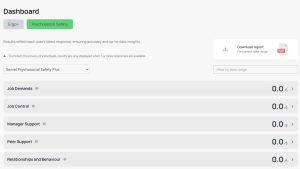
An important feature of Risk+ is its ability to translate worker feedback into structured organisational visibility through aggregated reporting. This framework allows leadership and safety teams to observe emerging patterns across different teams or departments while protecting individual confidentiality.
Risk+ uses a structured survey framework to capture worker experiences across various dimensions and identify where intervention is needed. As part of the Swivel ecosystem, it thus provides necessary data for practical intervention pathways.
Risk+ and Swivel Ergo+: Bridging the Gap Between Mental and Physical Health
A defining feature of this integrated approach is the connection between psychosocial pressure and physical health. While Swivel Ergo+ specifically evaluates the physical workstation (e.g. desk configuration, seating posture), musculoskeletal strain and fatigue are influenced by both physical and psychosocial factors.
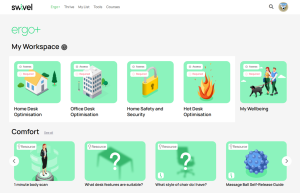
For instance, sustained workload pressure often encourages employees to work through physical discomfort or delay necessary recovery breaks. When psychosocial indicators in Risk+ coincide with ergonomic indicators in Ergo+, organisations gain a better understanding of how organisational pressure and ergonomic conditions interact. Furthermore, combining these insights allows organisations to deploy coordinated interventions rather than treating ergonomics and stress as separate issues.
Risk+ and Swivel Refresh: Managing Cognitive Fatigue and Recovery
Fatigue is a multifaceted phenomenon that is both physiological and psychosocial. While Risk+ identifies where fatigue risk is emerging across departments, Swivel Refresh provides the behavioural solution. The tool supports workers with structured prompts that encourage regular movement breaks and short restorative pauses during intensive work periods.
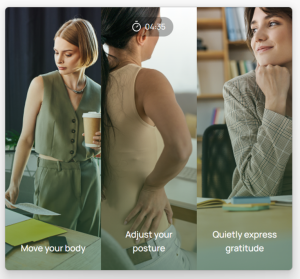
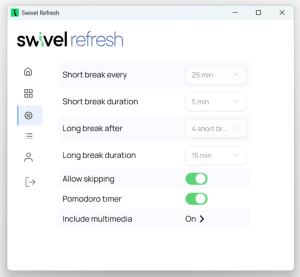
This relationship allows an organisation to move beyond measuring risks to actively improving daily work rhythms and recovery capacity to support worker concentration and long-term wellbeing.
Risk+ and Swivel Thrive: Cultivating Psychological Safety and Culture
Where Risk+ identifies the structural drivers of psychosocial risk, Swivel Thrive focuses on the human element by reinforcing positive workplace behaviors and organisational culture. Healthy workplace cultures are defined by characteristics such as psychological safety, clear communication, and supportive leadership.
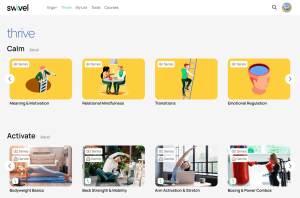
In practice, if Risk+ diagnostics reveal areas where interpersonal safety or communication is declining, Thrive provides the reinforcement mechanisms needed to strengthen leadership support and team collaboration.
This creates a complementary dynamic within the platform: Risk+ provides the diagnosis of organisational conditions, while Thrive supports the active development of healthier workplace dynamics.
A Unified Solution for the Modern Workplace
A central challenge of modern workplace safety is fragmentation, where ergonomics, wellbeing, and organisational culture are often managed in isolation. The Swivel platform addresses this by connecting these areas into a single, integrated prevention system. Within this unified ecosystem:
- Risk+ identifies psychosocial hazards and broader organisational risk patterns.
- Ergo+ evaluates physical workstation conditions and ergonomic habits.
- Refresh manages fatigue and cognitive recovery.
- Thrive reinforces healthy workplace behaviours and a supportive culture.
This holistic approach is particularly vital for distributed and hybrid work environments, where psychosocial and physical risks may otherwise develop outside the direct observation of management.
Today, the growing emphasis on psychosocial safety reflects an evolving understanding that risk management must address the full range of conditions that shape how work is experienced by employees. With Swivel Risk+ as its diagnostic core, the platform allows organisations to move beyond mere measurement toward a connected system of visibility and action.